
 Nguồn Tổ Ong 5V 5A S-25-5
  Inverter hòa lưới GROWATT 30KW 3pha (MID30KTL3-X)









How to Successfully Run a Casino: A Comprehensive Guide
17/04/2026 22:08
Running a casino is a complex and multifaceted business endeavor that requires careful planning, strategic execution, and a thorough understanding of the gaming industry. This report outlines the essential components involved in establishing and operating a successful gamblezen casino login, including legal considerations, financial management, marketing strategies, and customer service.
1. Legal Considerations:
The first step in running a casino is navigating the legal landscape. Each jurisdiction has its own regulations regarding gambling, including licensing requirements, tax obligations, and operational guidelines. It is crucial to conduct thorough research to understand these laws and obtain the necessary licenses before opening a casino. Engaging with legal experts who specialize in gaming law can help ensure compliance and avoid potential legal pitfalls.
2. Business Plan Development:
A solid business plan is vital for the successful operation of a casino. This plan should outline the casino’s mission, target market, and unique selling propositions. It should also include a detailed financial projection, covering startup costs, operating expenses, revenue forecasts, and break-even analysis. A comprehensive business plan not only serves as a roadmap for the casino’s operations but is also essential for attracting investors and securing funding.
3. Location and Design:
Choosing the right location is critical for a casino’s success. High foot traffic areas, proximity to hotels, and accessibility are key factors to consider. Once a location is secured, the design of the casino should create an inviting atmosphere that encourages guests to stay longer and spend more. This includes the layout of gaming areas, dining options, entertainment venues, and amenities such as hotels or spas.
4. Gaming Operations and Management:
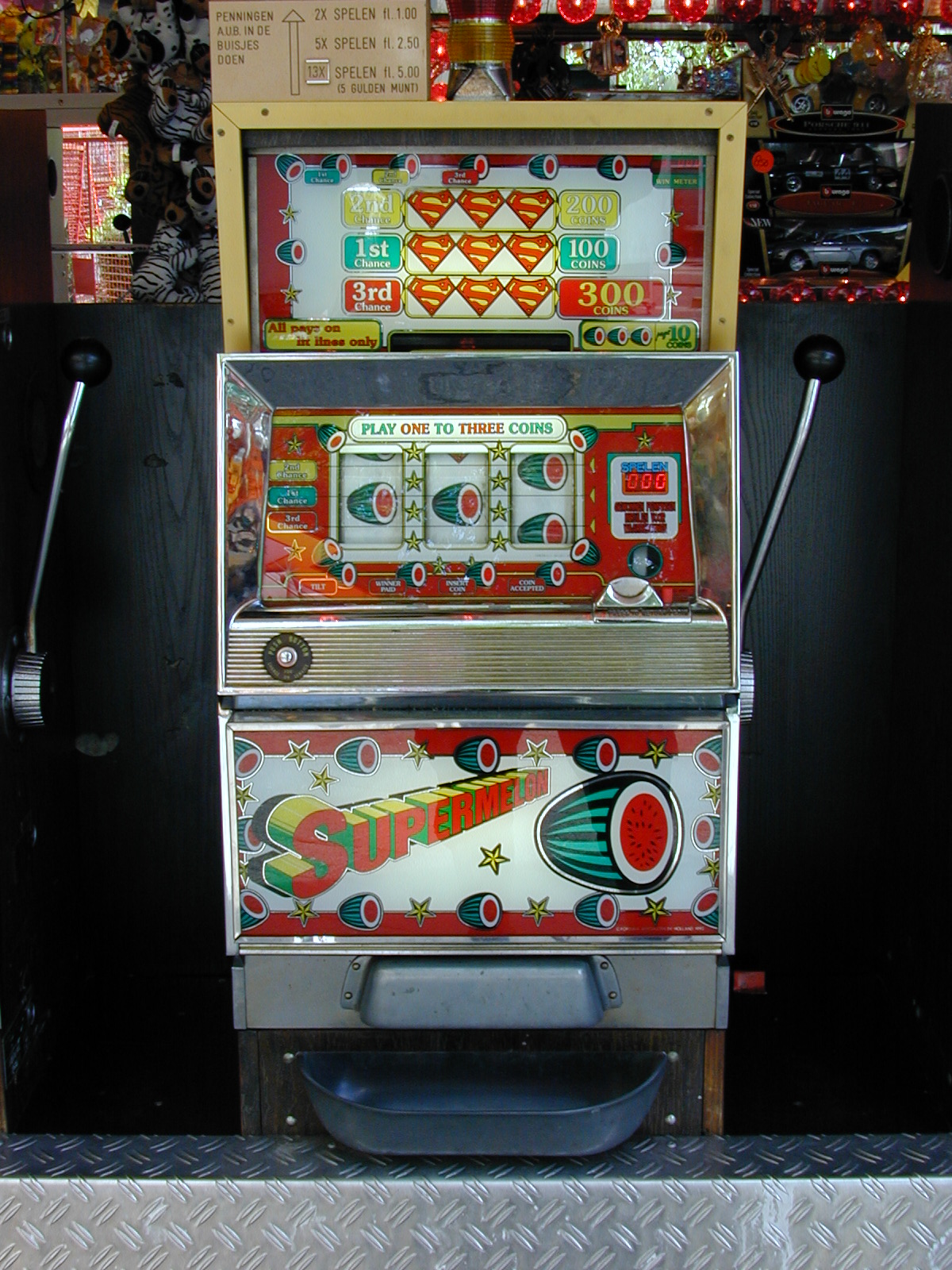
A casino must offer a diverse range of gaming options, including table games, slot machines, and sports betting. Effective management of these operations is essential to ensure a fair and enjoyable experience for guests. This involves training staff, implementing security measures, and utilizing technology for game monitoring and player tracking. Additionally, maintaining a balance between house edge and player satisfaction is crucial for long-term profitability.
5. Financial Management:
Effective financial management is at the heart of running a successful casino. This includes budgeting, cash flow management, and financial reporting. Casinos must track their revenue sources, including gaming income, food and beverage sales, and entertainment revenue. Regular audits and financial assessments can help identify areas for improvement and ensure the casino remains profitable.
6. Marketing and Promotions:
Attracting and retaining customers is vital for a casino’s success. A robust marketing strategy should encompass both traditional and digital marketing channels, including social media, email marketing, and local advertising. Promotions such as loyalty programs, special events, and tournaments can incentivize repeat visits and enhance customer engagement.
7. Customer Service:
Exceptional customer service is a cornerstone of a successful casino operation. Staff should be trained to provide a welcoming environment and assist guests with inquiries or issues. Building relationships with customers can lead to increased loyalty and positive word-of-mouth referrals.
In conclusion, running a casino requires a blend of legal knowledge, strategic planning, financial acumen, and a commitment to customer satisfaction. By focusing on these key areas, casino operators can create a thriving business that not only attracts patrons but also fosters a loyal customer base. With the right approach, a casino can become a profitable and enduring venture in the competitive gaming industry.